Animal Trapping Services in Stark County, Ohio
Humane Animal Trapping Solutions Rooted in Experience and Local Understanding
Before sunrise, while neighborhoods are still quiet and businesses remain closed, wildlife is often at its busiest. Animals travel along fence lines, cross backyards, search for food sources, and investigate sheltered spaces that appear safe for nesting. What begins as occasional activity can gradually become a persistent issue affecting comfort, safety, and property condition. Animal trapping provides a controlled and humane solution when wildlife refuses to move on naturally. At A-Z Darn Varmints, my Animal Control expertise has been built over 53 years of hands-on experience, helping property owners resolve wildlife conflicts through proven trapping methods designed for lasting results.
Stark County, Ohio, presents a landscape where wildlife and development frequently intersect. Mature trees, neighborhood green spaces, drainage corridors, agricultural land, and expanding residential areas create natural pathways for animal movement.
My work regularly takes me throughout the greater region, in Louisville, Massillon, and Alliance, where changing seasons influence wildlife behavior in different ways. Understanding how local animals adapt to Stark County environments allows for more effective trapping strategies that address the source of the problem rather than only its symptoms.
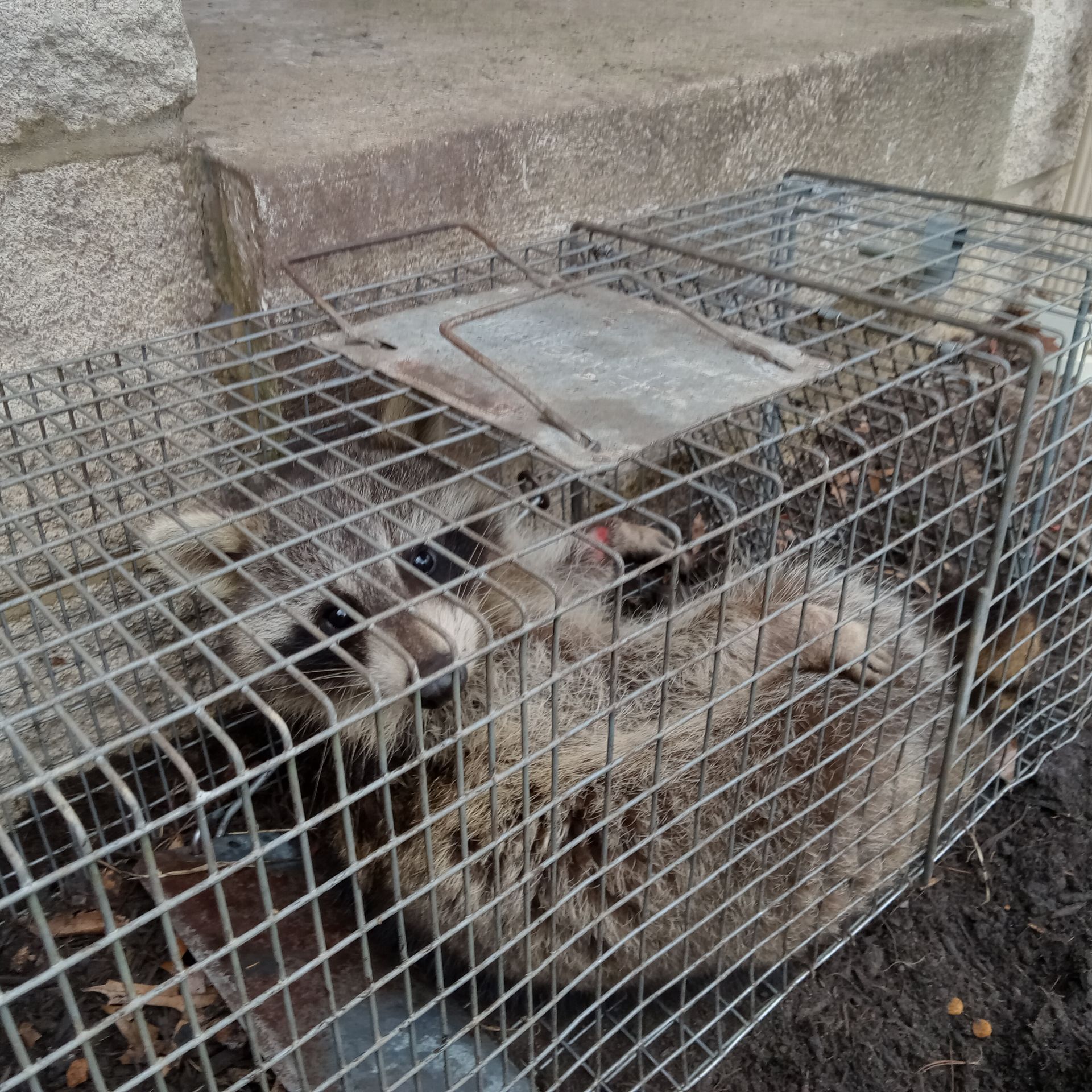
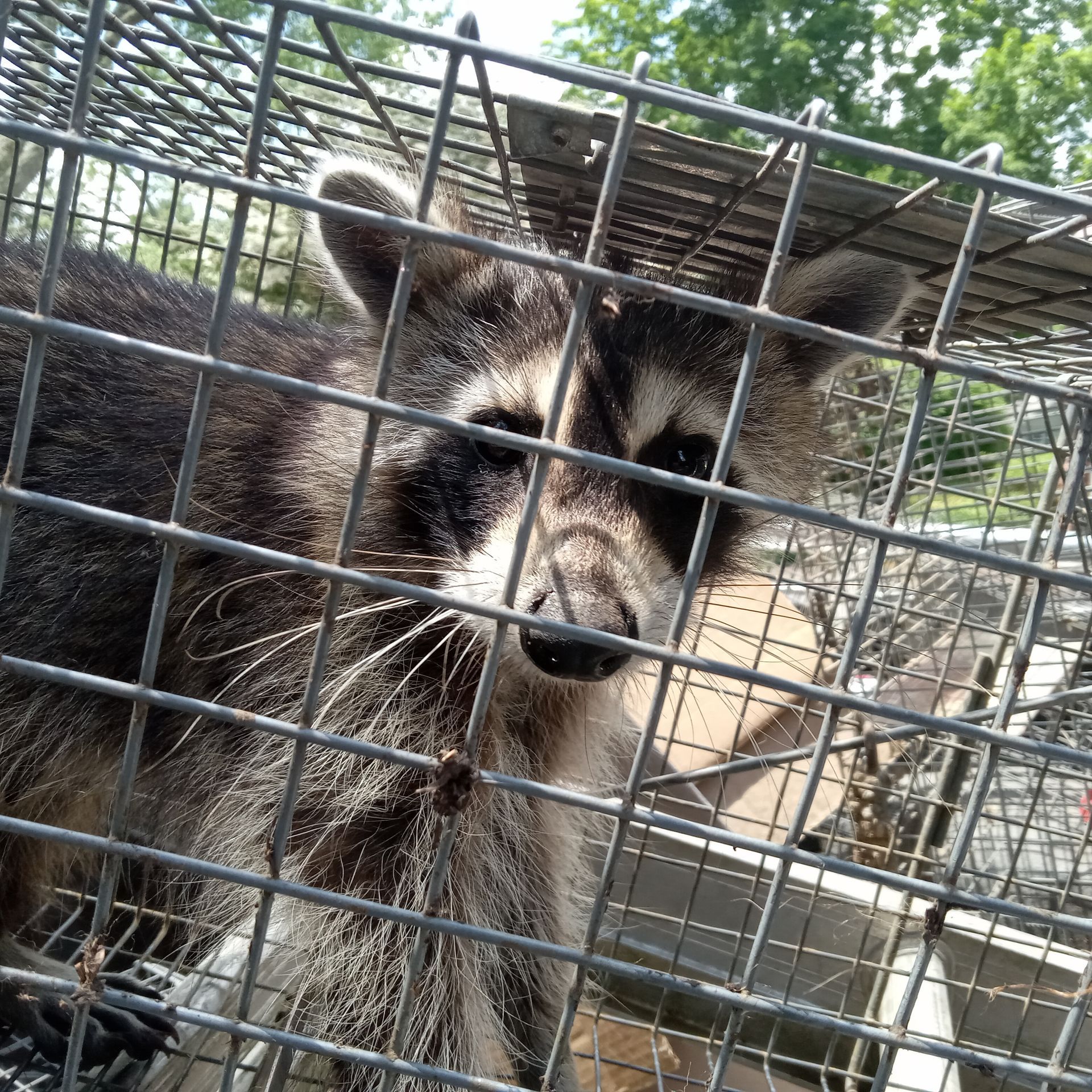
Every successful trapping project begins with observation. Identifying travel routes, entry locations, feeding patterns, and environmental conditions helps create a strategy tailored to the situation. No two wildlife problems unfold exactly alike, which is why customized solutions remain essential. I provide humane trapping services for groundhogs, raccoons, skunks, opossums, squirrels, bats, snakes, snapping turtles, beavers, and muskrats, with safe removal, relocation when appropriate, and repairs for the property damage these animals leave behind. Through careful planning, professional trapping methods, and practical wildlife management techniques, property owners gain a dependable way to address unwanted animal activity before it develops into a larger challenge.
Animal Trapping Services
Entry Point Animal Trapping
Strategic trapping is placed near suspected entry points like roof gaps, vents, crawlspaces, and wall openings. This method focuses on capturing wildlife already accessing structures, preventing further indoor movement, limiting contamination risks, and stopping repeated entry attempts within residential or commercial buildings.
Ground Burrow Trapping
This service targets animals living in underground tunnels around lawns, foundations, and gardens. Traps are positioned near active burrow systems to reduce soil damage, collapsing tunnels, and repeated digging activity while restoring outdoor landscape stability and preventing structural weakening near property edges.
Perimeter Fence Line Trapping
Trapping is installed along fence lines and boundary edges where wildlife frequently travels between habitats. This approach intercepts animals before they reach buildings, reducing intrusion rates, territorial marking behavior, and yard disruption while maintaining safer outdoor spaces for residential and commercial properties.
Attic Access Trapping
Focused trapping near attic entry routes captures animals attempting to enter or already nesting in upper structures. This method helps reduce insulation damage, noise disturbances, droppings buildup, and repeated re-entry attempts affecting roof spaces and internal building comfort conditions over time.
Seasonal Migration Trapping
Designed for wildlife movement during breeding, nesting, and seasonal food searching periods, this service manages sudden increases in activity. It helps control temporary population surges near homes and businesses while reducing repeated wildlife visits during environmental or weather-driven migration cycles.
Commercial Site Trapping Programs
Customized trapping solutions for commercial properties such as warehouses, storage yards, and industrial facilities. This service minimizes operational disruption, protects inventory areas, reduces sanitation concerns, and ensures controlled wildlife management within high-traffic business environments requiring consistent protection standards.
INSERT TITLE
Your website deserves a clean, modern look that captures attention and encourages action. Whether you're showcasing products, promoting services, or sharing information, great design starts with quality content. Use clear headlines, strong calls to action, and simple navigation to guide visitors through your site. A professional layout combined with engaging visuals and easy-to-read text helps build trust and keeps users coming back. Keep content concise and focused, with room for eye-catching images or graphics to enhance the message. Every element on your website should work together to reflect your brand, drive conversions, and provide a seamless user experience across all devices.
Benefits of Animal Trapping
Reduced Structural Damage
Professional animal trapping helps prevent ongoing damage to roofs, insulation, wiring, and wooden structures caused by nesting or chewing wildlife. Early intervention limits costly repairs, protects property integrity, and ensures buildings remain stable, secure, and free from recurring animal-related deterioration issues.
Controlled Wildlife Movement
Trapping helps regulate unpredictable animal movement around homes and businesses. By addressing active wildlife presence, it reduces roaming patterns near structures, limits repeated intrusions, and restores balance between natural habitats and developed areas without allowing animals to establish permanent territories.
Improved Indoor Hygiene
Wildlife often brings contamination risks through droppings, nesting debris, and parasites. Trapping helps remove these sources, improving indoor cleanliness and reducing exposure to bacteria, odors, and allergens that can accumulate when animals access attics, basements, crawlspaces, or wall voids.
Lower Risk of Aggressive Encounters
Certain animals may react defensively when cornered near human activity. Trapping reduces direct contact opportunities, lowering chances of scratches, bites, or aggressive behavior. This creates safer surroundings for families, pets, employees, and visitors within residential or commercial environments.
Long-Term Wildlife Reduction
Effective trapping interrupts recurring wildlife patterns by removing active animals and discouraging return activity. It supports long-term control by reducing population pressure near properties, limiting future nesting opportunities, and helping maintain a more stable balance between human spaces and wildlife habitats.
Better Property Usability
Removing nuisance wildlife restores full use of affected spaces such as yards, attics, garages, and storage areas. Property owners regain confidence in using their environment without disruption, damage concerns, or safety risks caused by ongoing animal presence or repeated intrusions.
FREQUENTLY ASKED QUESTIONS
How do I know if professional animal trapping is necessary?
Persistent wildlife sightings, unusual noises, damaged landscaping, nesting materials, overturned trash containers, and evidence of entry points often indicate a need for professional trapping. Early intervention helps prevent escalating problems and reduces the likelihood of significant property damage developing later.
Is animal trapping safe for pets and family members?
Professional trapping programs are designed with safety as a priority. Proper trap selection, strategic placement, and ongoing monitoring help minimize risks. Following recommended precautions during active trapping periods further supports a safe environment for occupants and domestic animals.
What types of animals are commonly captured through trapping services?
Wildlife species vary by region and habitat conditions. Trapping services frequently address nuisance animals that seek food, shelter, or nesting opportunities near structures. Each situation requires an assessment to determine appropriate methods based on observed animal activity patterns.
How long does the animal trapping process usually take?
Timeframes depend on several factors, including species behavior, property conditions, weather influences, and activity levels. Some situations are resolved quickly, while others require extended monitoring. Professional evaluations provide a clearer understanding of anticipated trapping duration and requirements.
Can trapping help stop recurring wildlife problems?
Trapping effectively removes nuisance animals, but lasting results often depend on addressing contributing conditions. Identifying attractants, access points, and environmental factors supports stronger prevention efforts and helps reduce the likelihood of repeated wildlife activity in the future.
What happens after an animal is captured?
Captured animals are handled according to applicable wildlife management practices and regulations. Appropriate procedures vary depending on species, environmental considerations, and local requirements. Professional oversight helps ensure humane treatment while supporting responsible wildlife conflict resolution objectives.
Are trapping methods different for various wildlife species?
Yes. Different species exhibit unique behaviors, movement patterns, and habitat preferences. Effective trapping programs use species-specific strategies tailored to those characteristics. Customized approaches improve success rates while supporting humane capture practices and minimizing unnecessary disturbance to surrounding areas.
How does A-Z Darn Varmints approach animal trapping in complex situations?
A-Z Darn Varmints uses experience-driven assessment to evaluate entry points, animal behavior, and environmental conditions before setting traps. In Canton, Ohio, I adapt methods carefully to ensure safe capture, reduce stress on wildlife, and restore property conditions through structured, humane trapping strategies.
Contact Us
Thank you for contacting us.
We will get back to you as soon as possible.
Oops, there was an error sending your message.
Please try again later.
why choose us
53 Years of Animal Control Experience
With 53 years of combined animal control experience, I have seen and successfully handled just about every wildlife situation imaginable. I use proven methods and industry knowledge to safely remove and relocate animals while protecting your property.
Quality & Reliability
I take pride in delivering dependable animal control services with attention to detail and long-lasting solutions. I am committed to showing up on time, doing the job right, and treating every home and property with respect.
Emergency Service Available
Wildlife problems don't always happen during normal business hours. I offer prompt emergency animal removal services to quickly address urgent situations and help restore safety and peace of mind when you need it most.
Transparency You Can Trust
I believe in honest communication from start to finish. I provide clear explanations, straightforward recommendations, and upfront pricing so you always know exactly what to expect.
A Smarter Way to Resolve Wildlife Conflicts
Animal trapping remains one of the most dependable and humane ways to manage unwanted wildlife activity around residential and commercial properties. In Stark County, Ohio, and surrounding regions, changing environments often lead to increased animal movement near structures, creating challenges that require careful, professional attention. At A-Z Darn Varmints, Animal Control experience spanning 53 years guides every trapping approach, ensuring solutions are both effective and responsible. Through precise planning, safe capture methods, and attention to long-term prevention, properties regain stability and comfort. Wildlife issues are addressed at their source rather than temporarily managed, helping reduce repeat activity. With consistent practices and field-tested strategies, animal trapping supports safer environments, protects valuable structures, and restores confidence for property owners seeking reliable wildlife management solutions across the region today.