Animal Relocation Services in Stark County, Ohio
Moving Wildlife Responsibly While Protecting Properties
Not every wildlife problem begins with destruction. Sometimes it starts with an animal repeatedly returning to a yard, nesting beneath a deck, occupying an outbuilding, or lingering near areas where people and wildlife should not coexist. Animal relocation focuses on creating distance between nuisance wildlife and occupied properties while addressing concerns responsibly and strategically. As a trusted Animal Control provider, A-Z Darn Varmints applies decades of experience to situations where wildlife presence requires careful handling, assessment, and relocation planning. Effective relocation requires knowledge of animal behavior, environmental considerations, and legal guidelines, ensuring that every situation is approached with professionalism and attention to detail.
Across Stark County, Ohio, as well as nearby communities including Massillon, Louisville, and Green, expanding residential developments often overlap with natural wildlife habitats. Throughout Stark County, animals frequently adapt to neighborhoods, commercial properties, parks, and semi-rural environments.
My operations extend throughout these surrounding areas, helping property owners address recurring wildlife encounters while considering both property protection and the challenges created when human activity intersects with local wildlife populations.
For 53
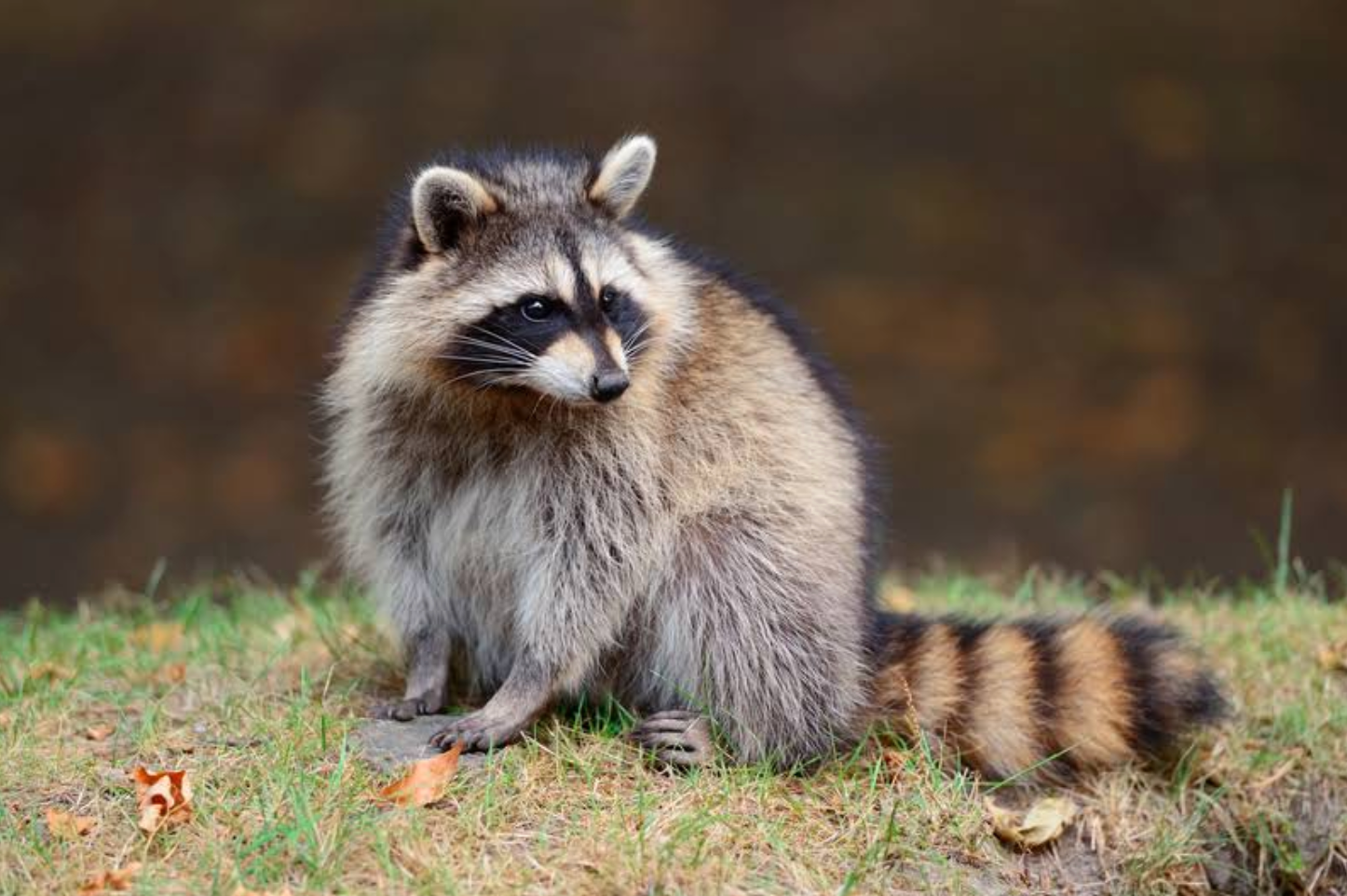
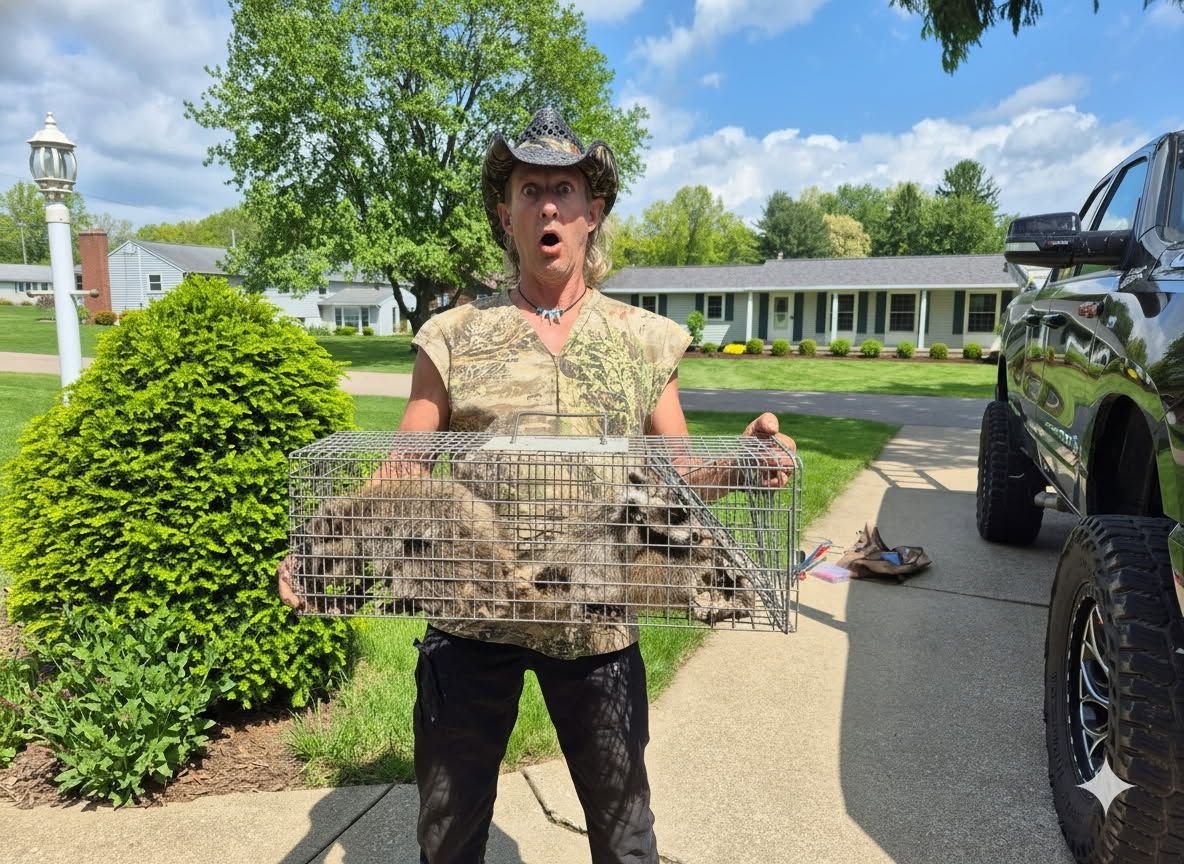
years, my work has centered on understanding how animals move, establish territories, locate shelter, and access resources. Relocation is not simply about transporting wildlife elsewhere. It involves evaluating site conditions, identifying attractants, understanding species-specific behaviors, and implementing measures that reduce the likelihood of future conflicts. I relocate nuisance wildlife including groundhogs, raccoons, skunks, opossums, squirrels, bats, snakes, snapping turtles, beavers, and muskrats, while also trapping animals when necessary and repairing the property damage they leave behind. I help create safer environments while supporting long-term solutions that balance property needs with effective animal control practices throughout the region.
Our Animal Relocation Services
Residential Wildlife Relocation
Animals frequently establish activity areas around homes, sheds, fences, decks, and landscaped spaces. This service focuses on assessing wildlife behavior, safely removing animals from occupied residential environments, and implementing strategies that help discourage future activity near living spaces and structures.
Commercial Property Relocation
Wildlife presence near commercial facilities can affect daily operations, exterior maintenance, and customer experiences. This service addresses animal activity around business properties through careful assessment, strategic removal efforts, and recommendations designed to reduce recurring wildlife encounters over extended periods.
Deck and Foundation Relocation
Protected spaces beneath decks, porches, and foundations often attract wildlife seeking shelter and security. This service targets animals occupying these concealed locations while addressing contributing factors that encourage continued use of these areas as nesting or resting sites.
Yard and Landscape Relocation
Open green spaces, gardens, retaining walls, and landscaped features frequently attract nuisance wildlife. This service focuses on relocating animals from outdoor environments where repeated activity may affect property appearance, plant health, maintenance efforts, and overall usability of exterior areas.
Outbuilding and Shed Relocation
Storage structures, detached garages, barns, and sheds provide attractive shelter opportunities for wildlife. This service involves locating active occupants, removing them safely, evaluating structural access points, and identifying conditions that may encourage future use of similar spaces.
Property Evaluation and Relocation Planning
Every relocation project begins with understanding animal activity patterns and environmental influences. This service includes comprehensive assessments of wildlife behavior, property conditions, attractants, and access routes, providing information necessary for effective relocation strategies and improved long-term prevention outcomes.
INSERT TITLE
Your website deserves a clean, modern look that captures attention and encourages action. Whether you're showcasing products, promoting services, or sharing information, great design starts with quality content. Use clear headlines, strong calls to action, and simple navigation to guide visitors through your site. A professional layout combined with engaging visuals and easy-to-read text helps build trust and keeps users coming back. Keep content concise and focused, with room for eye-catching images or graphics to enhance the message. Every element on your website should work together to reflect your brand, drive conversions, and provide a seamless user experience across all devices.
Benefits of Animal Relocation
Reduces Human and Wildlife Conflicts
Relocating nuisance animals helps create greater separation between wildlife populations and occupied environments. By reducing direct interactions, property owners experience fewer disruptions while animals are guided away from areas where recurring encounters can create ongoing challenges and safety concerns.
Preserves Property Conditions
Animals living near structures may contribute to landscaping damage, nesting concerns, contamination, and structural deterioration. Relocation helps limit ongoing activity around vulnerable areas, reducing the likelihood of additional impacts while supporting better protection for residential and commercial properties.
Encourages Wildlife Management
Effective relocation involves understanding why animals were attracted initially. Addressing environmental attractants alongside relocation efforts supports broader wildlife management goals, helping property owners reduce future issues while creating conditions less appealing to nuisance wildlife populations.
Supports Safer Outdoor Environments
Wildlife activity near entrances, recreational spaces, gardens, and frequently used outdoor areas can create concerns for occupants and visitors. Relocation helps reduce animal presence in these locations, contributing to safer and more comfortable outdoor environments throughout affected properties.
Minimizes Repeated Disturbances
Persistent wildlife activity can disrupt routines through noise, property interference, and recurring sightings. Relocation addresses ongoing animal presence, helping restore normal use of affected spaces while reducing repeated interruptions associated with nuisance wildlife behavior near structures.
Promotes Responsible Wildlife Handling
Professional relocation methods prioritize species-specific considerations, environmental awareness, and appropriate handling practices. This approach supports responsible wildlife management while ensuring nuisance animal situations are addressed using informed strategies tailored to individual circumstances and property conditions.
FREQUENTLY ASKED QUESTIONS
When is animal relocation a better option than other wildlife solutions?
Relocation may be appropriate when animals repeatedly occupy outdoor spaces, establish shelter near structures, or create ongoing disturbances. Evaluating species behavior, environmental conditions, and property-specific factors helps determine whether relocation offers the most practical and sustainable resolution available.
Does relocation prevent wildlife from returning permanently?
Relocation can reduce immediate wildlife activity, but permanent success depends on addressing food sources, shelter opportunities, and environmental attractants. Without preventative measures, other animals may eventually occupy the same area, creating similar concerns for property owners over time.
What factors are evaluated before relocation begins?
A thorough assessment examines animal behavior, movement patterns, nesting locations, habitat conditions, attractants, access routes, and surrounding environmental influences. Understanding these elements helps develop an effective relocation strategy while supporting long-term wildlife management goals and improved property protection.
Can wildlife relocate itself without professional intervention?
Some animals naturally move between territories, particularly when resources become limited. However, nuisance wildlife often remains where shelter and food are readily available. Professional evaluation helps determine whether intervention is necessary to resolve recurring activity and property-related concerns.
Are outdoor structures commonly affected by wildlife activity?
Yes, outdoor structures frequently attract wildlife seeking protection from weather and predators. Decks, sheds, detached garages, porches, retaining walls, and storage buildings provide sheltered environments where animals may nest, rest, or establish regular activity patterns over extended periods.
How does seasonality affect animal relocation efforts?
Seasonal changes influence breeding behavior, food availability, migration patterns, shelter requirements, and territorial activity. Understanding these fluctuations helps guide relocation planning, ensuring strategies remain appropriate for current conditions while supporting more effective and responsible wildlife management outcomes.
Why choose A-Z Darn Varmints for animal relocation in Canton, Ohio?
A-Z Darn Varmints brings 53 years of wildlife management experience to animal relocation projects throughout Canton, Ohio. My approach combines detailed assessments, species-specific knowledge, strategic planning, and practical prevention recommendations designed to reduce recurring wildlife conflicts and support lasting results.
What happens after an animal has been relocated?
After relocation, property conditions should be evaluated to identify attractants and vulnerabilities. Securing access points, reducing shelter opportunities, improving maintenance practices, and monitoring for renewed activity help strengthen prevention efforts while minimizing future wildlife-related concerns and disruptions.
Contact Us
Thank you for contacting us.
We will get back to you as soon as possible.
Oops, there was an error sending your message.
Please try again later.
why choose us
53 Years of Animal Control Experience
With 53 years of combined animal control experience, I have seen and successfully handled just about every wildlife situation imaginable. I use proven methods and industry knowledge to safely remove and relocate animals while protecting your property.
Quality & Reliability
I take pride in delivering dependable animal control services with attention to detail and long-lasting solutions. I am committed to showing up on time, doing the job right, and treating every home and property with respect.
Emergency Service Available
Wildlife problems don't always happen during normal business hours. I offer prompt emergency animal removal services to quickly address urgent situations and help restore safety and peace of mind when you need it most.
Transparency You Can Trust
I believe in honest communication from start to finish. I provide clear explanations, straightforward recommendations, and upfront pricing so you always know exactly what to expect.
Creating Peace Between Wildlife and Daily Life
Successful animal relocation requires more than moving wildlife from one place to another. It demands careful evaluation, species-specific knowledge, environmental awareness, and a strategy focused on reducing future conflicts. As a trusted Animal Control provider, A-Z Darn Varmints applies 53 years of experience to help property owners address nuisance wildlife concerns responsibly and effectively. Throughout Stark County, Ohio, relocation remains an important solution for animals occupying yards, structures, and outdoor spaces where they create ongoing disturbances. By combining thorough assessments, practical relocation methods, and preventative recommendations, I help create a healthier balance between wildlife and developed environments. My goal is to provide long-term results that protect properties, reduce recurring activity, and give homeowners and businesses greater confidence in the safety, functionality, and enjoyment of their surroundings for years ahead.